
The Strait of Hormuz Shock Is Rewriting Global Markets — And Crypto Is Becoming the New Safe Haven
• 8 min read • by Kelvin Jones
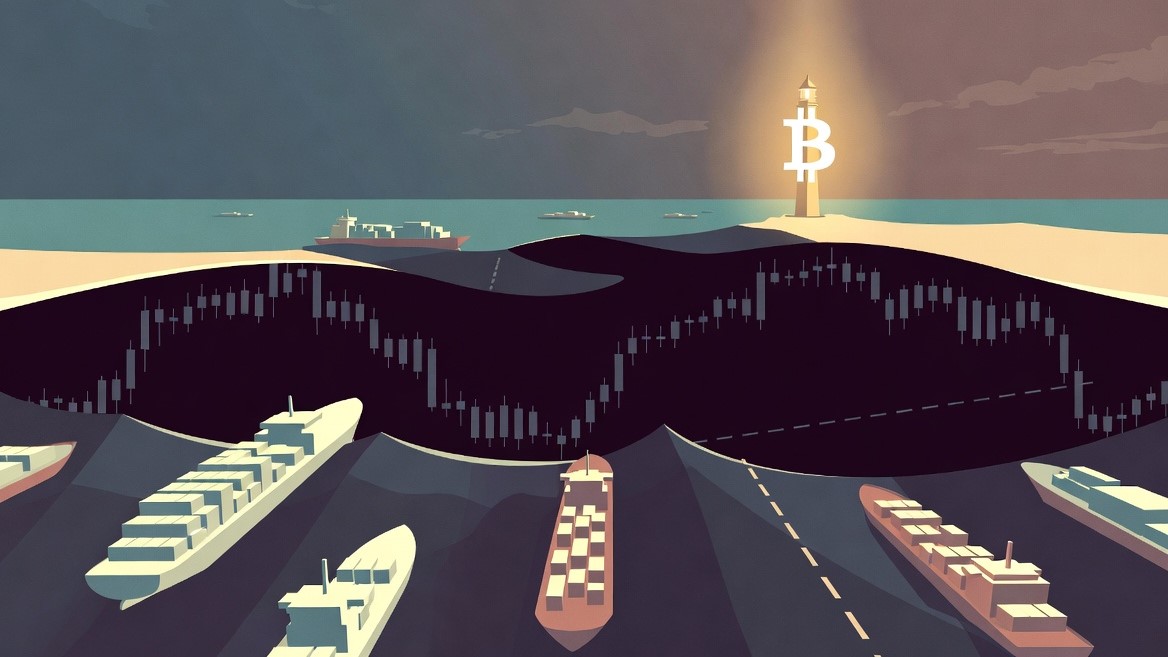
"The Strait of Hormuz Shock Is Rewriting Global Markets — And Crypto Is Becoming the New Safe Haven"
🧠 Executive Summary
The Strait of Hormuz — the world’s most critical energy chokepoint — has become the center of a global economic shock.
Oil is surging. Shipping is collapsing. Inflation expectations are rising. Markets are repricing risk at historic speed.
And for the first time, Bitcoin is outperforming every major safe‑haven asset, including gold.
This crisis is reshaping global finance — and crypto is no longer a spectator.
It’s becoming part of the macro toolkit.
🏦 The Hormuz Crisis: How a Regional Conflict Became a Global Market Event
Oil Supply Shock: The Largest in Modern History
Before the conflict, ~3,000 vessels crossed the Strait monthly.
Last month, that number fell to 154 — a 95% collapse.
Oil markets reacted instantly:
- Brent surged above $104–$120
- WTI broke $102–$106
- U.S. gasoline hit a 4‑year high
- Diesel prices jumped 45%
This isn’t a commodity rally — it’s a structural supply shock.
Global Markets Are Whipsawing
- Energy-sensitive equities are falling
- AI and semiconductor sectors are rising
- Treasury yields are spiking
- The dollar is weakening on diplomatic uncertainty
The physical economy is under stress.
The digital economy is holding firm.
Bitcoin Is the Only Asset Outperforming Everything
Since the crisis began, BTC has outperformed:
- gold
- the S&P 500
- bonds
- oil equities
Why?
- 24/7 price discovery during weekend strikes
- Non‑sovereign, non‑political supply
- ETF-driven institutional demand
- Petrodollar stress pushing investors toward alternative stores of value
This is the first geopolitical crisis where Bitcoin is behaving like a macro safe haven.
Crypto Is Even Appearing Inside the Crisis
Reports surfaced of scammers impersonating Iranian authorities demanding BTC or USDT from stranded ships.
One vessel paid — and was still fired upon.
Crypto is now embedded in global conflict dynamics.
🏦 What This Means for Crypto Markets
1. Bitcoin Dominance Likely Rises
In crises, liquidity flows to the simplest, most trusted asset.
2. Volatility Will Increase — But So Will Relevance
Crypto is now tied to energy markets, inflation, and geopolitics.
3. Energy-Linked Tokens May Gain Attention
Commodity‑indexed assets become more interesting during oil shocks.
4. Mining Economics Tighten
Higher energy costs compress margins for miners in fossil‑fuel regions.
5. Crypto Has Entered the Macro Conversation
This crisis marks a turning point:
digital assets are now part of global financial infrastructure.
Published May 12, 2026. Last updated May 12, 2026.
Frequently asked questions
Why is the Strait of Hormuz crisis impacting global markets so severely?
The Strait handles ~20% of global oil supply. Disruptions have caused shipping to collapse and crude prices to spike, triggering inflation and market volatility.
Why is Bitcoin acting like a safe haven during this crisis?
Bitcoin trades 24/7, is non‑sovereign, and has a fixed supply. During geopolitical shocks, it often outperforms assets tied to political or commodity risk.
How does an oil shock affect crypto markets?
Energy-driven inflation, currency volatility, and risk repricing push investors toward liquid, globally accessible assets like BTC.
Is this the first time crypto has reacted to a geopolitical crisis?
No, but this is the first major crisis where Bitcoin has clearly outperformed gold, equities, and bonds simultaneously.
Does this mean crypto is becoming part of macro finance?
Yes. Bitcoin is increasingly behaving like a macro asset, responding to global liquidity, inflation expectations, and geopolitical risk.