The Stablecoin Crackdown of 2026: Why Privacy‑First Swaps Are Becoming the New Liquidity Lifeline
• 8 min read • by Kelvin Jones
The Stablecoin Crackdown of 2026: Why Privacy‑First Swaps Are Becoming the New Liquidity Lifeline
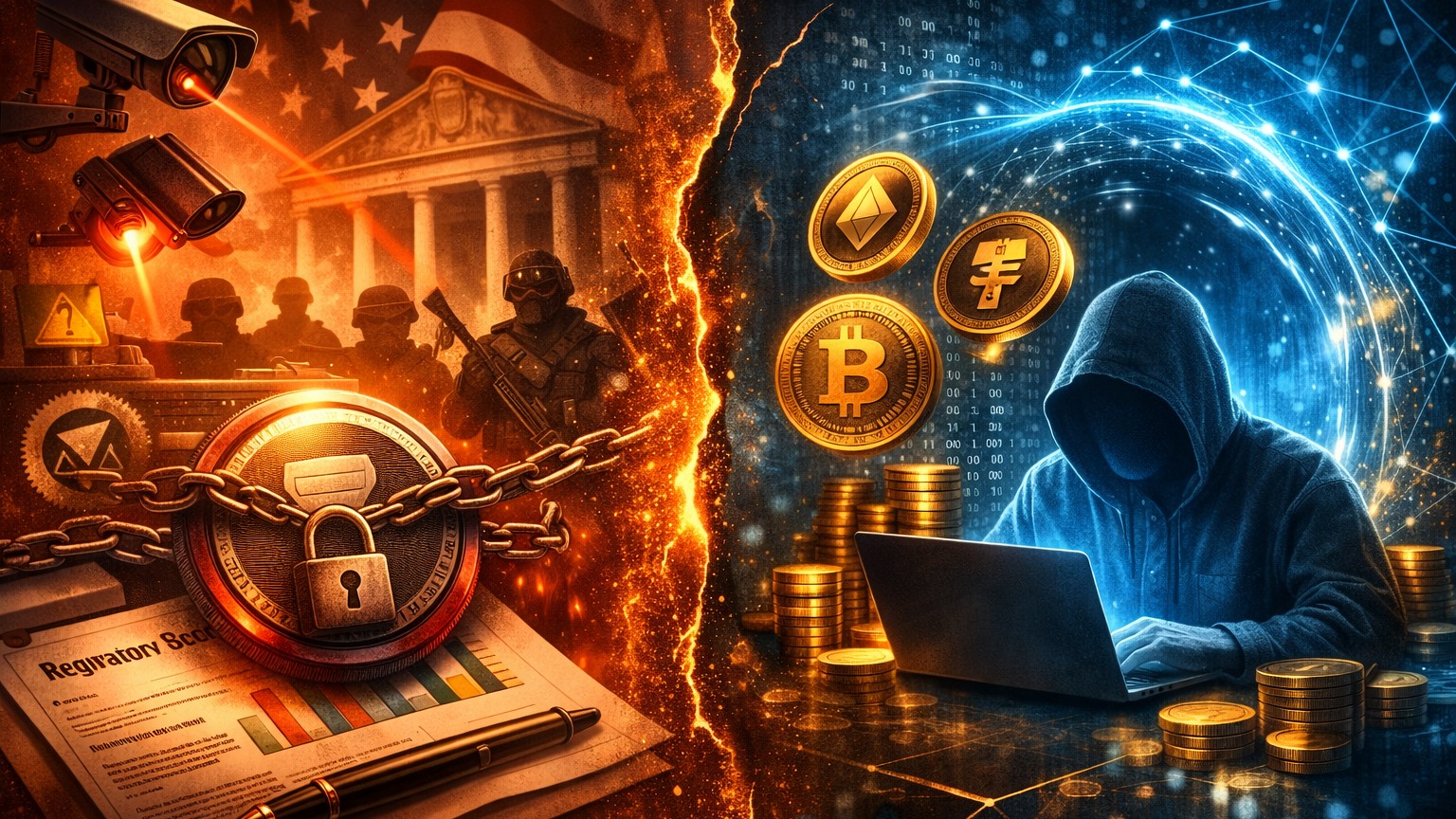
A global regulatory wave is reshaping the stablecoin landscape in 2026. From the U.S. to the EU to major Asian markets, governments are tightening rules around issuance, reserves, transfers, and compliance. What began as isolated policy proposals has now become a coordinated push to bring stablecoins under stricter oversight.
For millions of users who rely on stablecoins for trading, remittances, hedging, and cross‑border payments, the impact is immediate:
more friction, more surveillance, and fewer options.
But as centralized platforms tighten controls, a new pattern is emerging — traders are increasingly turning to privacy‑first, non‑custodial swaps as their liquidity refuge.
🌍 The Global Stablecoin Crackdown Is Accelerating
Across major jurisdictions, regulators are focusing on:
- mandatory KYC for all stablecoin transfers
- reserve audits and real‑time reporting
- restrictions on cross‑border stablecoin flows
- licensing requirements for issuers
- transaction‑level monitoring
This is creating a fragmented global environment where stablecoin access varies dramatically by region.
For users in high‑restriction zones, the message is clear:
your stablecoin activity is now under a microscope.
🏦 Centralized Exchanges Are Increasing Surveillance
In parallel with government action, centralized exchanges are:
- enforcing biometric KYC
- blocking withdrawals to “unverified” wallets
- freezing accounts for “suspicious routing”
- geo‑fencing entire countries
- logging every transaction hop
This is pushing traders toward tools that preserve autonomy and privacy — especially for cross‑chain swaps and stablecoin mobility.
🕵️ Privacy‑First Swaps Become the New Liquidity Lifeline
This is where AnonSwap enters the narrative naturally.
As the crackdown intensifies, users are gravitating toward platforms that offer:
- no accounts
- no KYC
- no tracking
- no custody
- no logs
- onion‑routed privacy
- non‑custodial execution
In a world where every centralized platform is tightening its grip, privacy swaps provide something increasingly rare:
freedom of movement.
🔗 Why Non‑Custodial Liquidity Matters More Than Ever
The crackdown is revealing a deeper truth about crypto markets:
Custody is risk. Surveillance is friction. Privacy is liquidity.
Non‑custodial swaps allow users to:
- move stablecoins without exposing identity
- avoid centralized chokepoints
- bypass geo‑fencing
- maintain access to global liquidity
- protect transaction history from third‑party monitoring
This is not about evading regulation — it’s about preserving the core principles of crypto:
self‑custody, privacy, and permissionless access.
📈 SEO‑Friendly Macro Signals to Watch
As the stablecoin crackdown accelerates, traders are searching for:
- “stablecoin regulation 2026”
- “anonymous crypto swaps”
- “best privacy swap”
- “non‑KYC crypto trading”
- “stablecoin restrictions”
- “private USDT swap”
These trends reflect a growing demand for tools that preserve privacy while maintaining liquidity.
AnonSwap sits directly at the intersection of these search patterns.
🧭 The Bigger Picture: Privacy Is Becoming a Market Force
The stablecoin crackdown is not a temporary policy cycle — it’s a structural shift.
As governments tighten control and centralized platforms comply, users will continue seeking alternatives that preserve autonomy.
Privacy‑first swaps are no longer niche.
They are becoming the new liquidity layer for global crypto markets.
And in 2026, that shift is accelerating.
Published April 27, 2026. Last updated April 27, 2026.
Frequently asked questions
Why are stablecoins facing increased regulatory pressure in 2026?
Governments are tightening rules around issuance, reserves, and cross‑border transfers, creating new compliance burdens for users and platforms.
How do privacy swaps help during a stablecoin crackdown?
Privacy‑first swaps allow users to move liquidity without accounts, KYC, or custodial risk — preserving access to global markets.
Are privacy swaps legal?
Privacy tools are legal in most jurisdictions, but users must comply with local laws. Non‑custodial swaps do not hold funds or user data.
Do privacy swaps replace centralized exchanges?
They complement them. Centralized exchanges offer liquidity and fiat access, while privacy swaps offer anonymity and censorship resistance.
Why is non‑custodial trading becoming more important?
As regulations tighten and centralized platforms increase surveillance, traders are seeking tools that preserve autonomy and privacy.