
Silver and Gold Reach Record Highs — What It Could Mean for Crypto Markets
• 6 min read • by Kelvin Jones
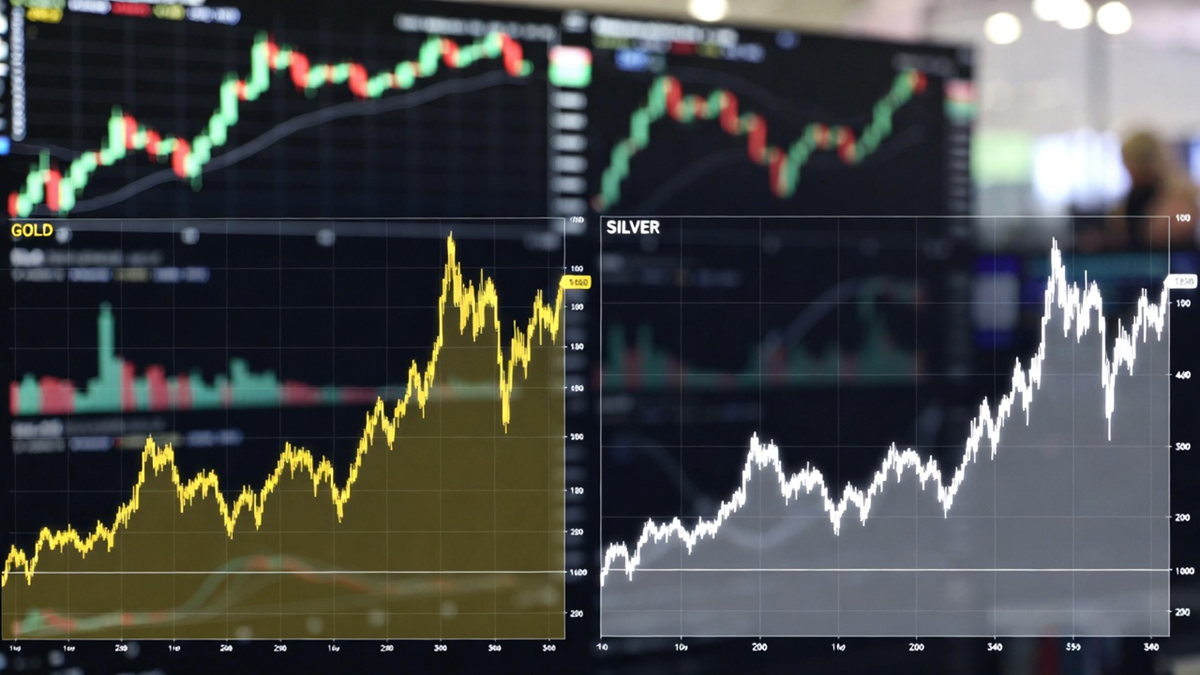
Silver and Gold Reach Record Highs — What It Could Mean for Crypto Markets
🧠 Executive Summary
Gold and silver have surged to record highs, reflecting growing concerns around inflation, currency stability, and long‑term capital preservation. While precious metals often move independently from crypto markets in the short term, their sustained breakout may signal broader macroeconomic shifts that could eventually influence digital assets positioned as alternative stores of value.
🏦 Why Precious Metals Are Surging
Historically, prolonged rallies in gold and silver tend to emerge during periods of structural uncertainty rather than short‑term volatility. Several forces are converging:
- Persistent inflation concerns despite fluctuating headline data
- Rising sovereign debt levels across developed economies
- Geopolitical fragmentation increasing demand for neutral reserve assets
- Central bank accumulation, particularly outside the U.S. dollar system
Gold’s role as a monetary hedge is well established. Silver, often more volatile, tends to amplify similar macro signals while also reflecting industrial demand tied to energy and technology transitions. The significance lies less in the price level itself and more in the direction and persistence of the move.
🏦 What This Means for Crypto Markets
Crypto markets often react later than traditional safe‑haven assets. When capital rotates into gold and silver first, it can indicate a broader reassessment of fiat‑based systems rather than a short‑term risk‑off event.
Several parallels are worth noting:
- Store‑of‑value narratives strengthen as confidence in fiat currencies weakens
- Non‑sovereign assets gain relevance during currency debasement cycles
- Scarcity‑based assets tend to be repriced together over longer horizons
Bitcoin, in particular, has historically lagged precious metals during early macro shifts, only to accelerate once the narrative becomes more widely accepted. While crypto remains more volatile and speculative, its positioning as a digital alternative to gold continues to attract attention during periods like this.
🏦 Correlation Isn’t Immediate — But It’s Meaningful
It’s important to avoid assuming a direct or immediate price correlation. Gold and silver are deeply entrenched in institutional portfolios, while crypto still occupies a more experimental role.
However, record highs in precious metals often precede broader conversations about:
- Currency diversification
- Long‑term purchasing power
- Alternatives to traditional financial infrastructure
Those conversations increasingly include digital assets, even if allocations remain cautious.
🏦 Looking Ahead
The breakout in gold and silver suggests markets are pricing in structural change rather than cyclical risk. Whether crypto benefits directly will depend on regulatory clarity, liquidity conditions, and investor confidence.
What’s clear is that the same forces driving demand for physical scarcity are also reshaping how digital scarcity is evaluated. As traditional and digital markets continue to intersect, movements in one increasingly inform expectations in the other — even when the reaction isn’t immediate.
Published January 23, 2026. Last updated January 23, 2026.
Frequently asked questions
Why are gold and silver reaching record highs?
Rising inflation concerns, sovereign debt levels, geopolitical uncertainty, and central bank accumulation are driving demand for precious metals.
Does a rise in gold and silver prices impact crypto markets?
While not immediate, sustained rallies in precious metals often signal broader shifts toward alternative stores of value, which can influence crypto markets over time.