
Geopolitical Risk Is Rising: What Escalation in Iran Could Mean for Crypto Markets
• 6 min read • by Kelvin Jones
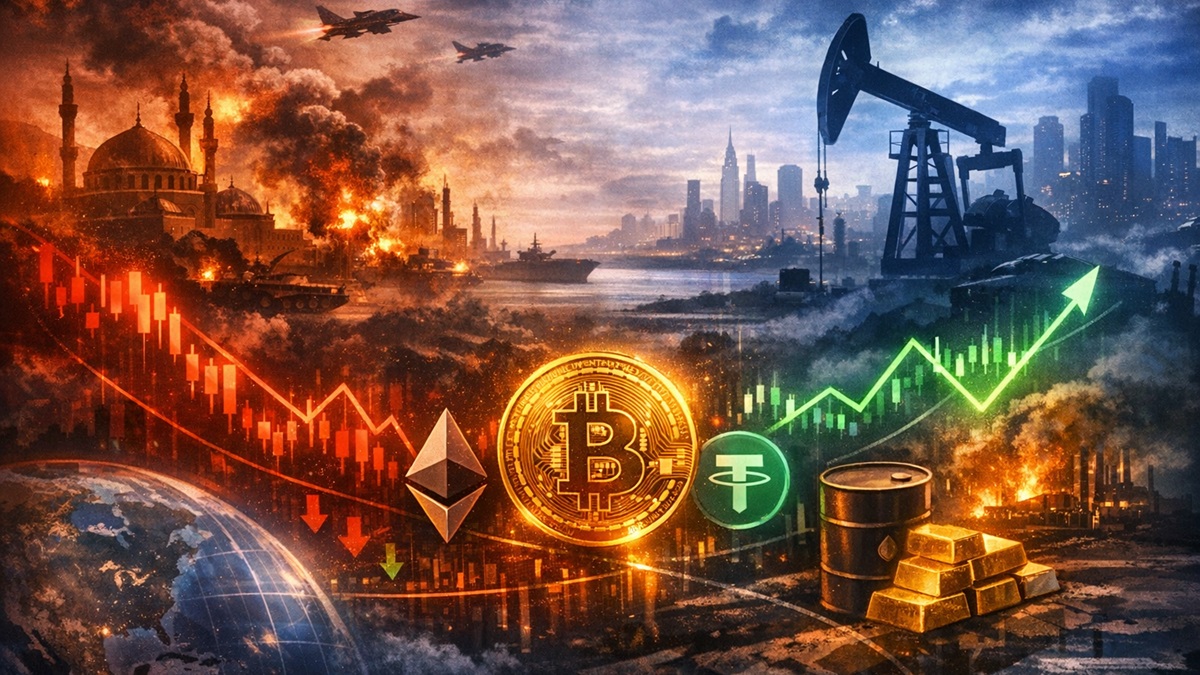
Geopolitical Risk Is Rising: What Escalation in Iran Could Mean for Crypto Markets
🧠 Executive Summary
Geopolitical risk is once again influencing global markets as tensions involving Iran escalate. While outcomes remain uncertain, historical patterns show that geopolitical shocks tend to affect liquidity, volatility, and risk appetite across asset classes — including crypto.
This article examines how similar events have impacted Bitcoin and digital assets in the past, and what market participants may want to watch as conditions evolve.
🌍 How Geopolitical Shocks Move Markets
Periods of geopolitical escalation often trigger a familiar market response:
- Increased volatility across risk assets
- Short‑term demand for liquidity and cash equivalents
- Strength in traditional safe havens such as the U.S. dollar and gold
- Pressure on speculative and leveraged positions
Crypto markets, despite their decentralized structure, are increasingly integrated into this broader financial response.
₿ Bitcoin’s Historical Behavior During Global Tension
Bitcoin’s reaction to geopolitical stress has varied depending on context.
In some cases, BTC has traded like a risk asset, selling off alongside equities as liquidity tightens. In others — particularly during prolonged uncertainty or capital‑control narratives — Bitcoin has attracted interest as a non‑sovereign alternative.
Key variables that influence this behavior include:
- Dollar strength
- Global liquidity conditions
- Market leverage
- Duration and severity of the geopolitical event
Short‑term reactions are often driven by risk‑off positioning, while longer‑term trends depend on macro follow‑through.
💧 Liquidity Is the Primary Transmission Mechanism
More than headlines, liquidity determines how crypto markets respond.
Geopolitical escalation often leads to:
- Tighter financial conditions
- Reduced risk tolerance
- Faster unwinds of leveraged trades
When liquidity contracts, crypto markets typically experience:
- Higher volatility
- Wider spreads
- Reduced depth across trading venues
This environment tends to reward simplicity, transparency, and fast execution.
🔍 How Market Stress Changes User Behavior
During periods of uncertainty, crypto users often shift priorities:
- From yield to capital preservation
- From complexity to reliability
- From long‑term positioning to tactical flexibility
Infrastructure that minimizes friction, custodial risk, and operational complexity becomes more relevant when markets are under stress.
🧭 What to Watch Going Forward
As the situation develops, several indicators will be important for crypto markets:
- Oil price volatility and energy supply risk
- U.S. dollar strength and funding conditions
- Equity market correlation
- On‑chain leverage and liquidation activity
Crypto rarely moves in isolation during global shocks — it reacts as part of the broader financial system.
🧠 Final Thoughts
Geopolitical escalation does not dictate a single outcome for crypto markets, but it raises the importance of risk management, liquidity awareness, and infrastructure resilience.
As digital assets continue to mature, their behavior during periods of global uncertainty will remain a key test — not just of price action, but of the systems users rely on when conditions become unpredictable.
Published April 9, 2026. Last updated April 9, 2026.
Frequently asked questions
How do geopolitical conflicts typically affect crypto markets?
Geopolitical conflicts often increase volatility and tighten liquidity, causing crypto to trade more like a risk asset in the short term.
Does rising tension in the Middle East impact Bitcoin prices?
Historically, Middle East tensions can influence Bitcoin indirectly through changes in liquidity, dollar strength, and global risk sentiment.
Is Bitcoin considered a safe haven during geopolitical crises?
Bitcoin has sometimes acted as a hedge during prolonged uncertainty, but in the short term it often reacts like a risk asset during liquidity stress.
Why does liquidity matter more than headlines for crypto markets?
Liquidity determines how easily positions can be entered or exited; during geopolitical shocks, tightening liquidity amplifies volatility across crypto markets.
What indicators should crypto investors watch during geopolitical escalation?
Key indicators include oil prices, U.S. dollar strength, equity market correlation, and on‑chain leverage and liquidation activity.