
Why 2026 Is Becoming the Year of Fragmented Liquidity — And How Crypto Is Repricing Global Risk in Real Time
• 8 min read • by Kelvin Jones
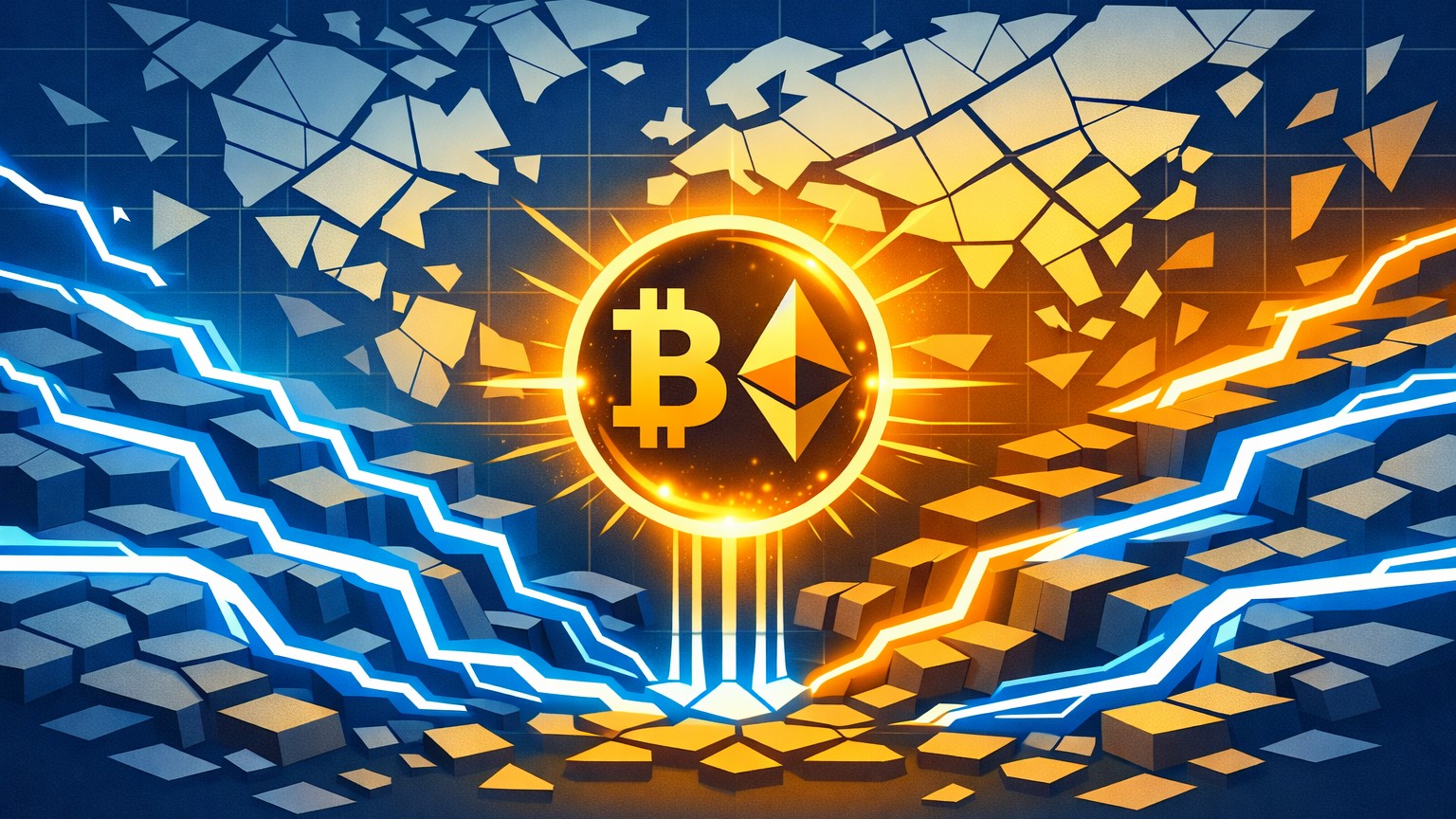
"Why 2026 Is Becoming the Year of Fragmented Liquidity — And How Crypto Is Repricing Global Risk in Real Time"
🧠 Executive Summary
2026 is shaping up to be the year global liquidity officially fragments.
Regional policy divergence, regulatory mismatches, and uneven capital flows are breaking apart what used to be a unified liquidity environment.
At the same time, crypto is stepping into a new role: the fastest real-time pricing engine for global risk.
As traditional markets struggle with latency, fragmentation, and regulatory friction, crypto is repricing stress, liquidity, and sentiment instantly.
This is a structural shift — not a temporary anomaly.
🌍 The New Reality: Liquidity Is No Longer Unified
For more than a decade, global liquidity moved in broad, synchronized cycles.
In 2026, that synchronization is breaking down.
1. Divergent Monetary Policies
Central banks are no longer aligned:
- Some regions are tightening
- Others are easing
- Others are stuck in “wait-and-see” mode
This creates asymmetric liquidity conditions across markets.
2. Regulatory Fragmentation
Regulatory frameworks for digital assets, stablecoins, and market structure differ sharply across:
- North America
- Europe
- Asia
- Emerging markets
Capital now flows through regulatory bottlenecks, not open channels.
3. Market Depth Is Splintering
Liquidity is becoming:
- shallower
- more volatile
- more regionally isolated
This fragmentation increases the cost of execution and reduces the reliability of traditional price discovery.
🪙 Crypto Is Repricing Global Risk in Real Time
Crypto’s role in global markets is changing fundamentally.
1. 24/7 Price Discovery
Crypto never closes.
It reacts instantly to:
- funding stress
- geopolitical shocks
- liquidity squeezes
- macro surprises
Traditional markets can’t match this speed.
2. Bitcoin as a Global Liquidity Gauge
BTC is increasingly behaving like:
- a forward-looking macro indicator
- a liquidity-sensitive asset
- a real-time risk barometer
It often moves before equities, bonds, or FX.
3. Stablecoins as Liquidity Sensors
Stablecoin flows are becoming a global liquidity map:
- rising issuance → risk-on
- rising redemptions → risk-off
This is the closest thing markets have to a real-time liquidity heartbeat.
4. Market Structure Is More Mature
With ETFs, deeper derivatives, and institutional flows, crypto is no longer a retail-driven volatility engine.
It’s a macro signal generator.
📊 What Fragmented Liquidity Means for Markets
1. Faster, More Violent Repricing
Fragmentation amplifies volatility.
Crypto captures this repricing first.
2. Execution Quality Becomes Critical
In fragmented markets, the winners are those who can:
- access deep liquidity
- avoid slippage
- maintain privacy
- execute across multiple venues
3. Stablecoins Become Systemic Infrastructure
They are now essential to:
- cross-border settlement
- liquidity routing
- real-time capital movement
4. Crypto Leads Risk Cycles
Not follows them.
🧭 The Bottom Line
2026 is the year global liquidity fragments — and crypto becomes the fastest, clearest, and most global risk-pricing engine in financial markets.
As liquidity splinters across regions and asset classes, crypto’s 24/7 structure, deepening market maturity, and real-time responsiveness make it the new frontline of macro price discovery.
This shift will define the next phase of digital asset adoption, market structure, and liquidity flows.
Published May 23, 2026. Last updated May 23, 2026.
Frequently asked questions
What does fragmented liquidity mean in 2026?
Liquidity is no longer unified across markets. It is splitting across regions, asset classes, and regulatory regimes.
Why is crypto repricing risk faster than traditional markets?
Crypto trades 24/7, reacts instantly to liquidity shocks, and reflects global sentiment without regional delays.
How does fragmentation affect volatility?
Fragmentation increases volatility by reducing depth, widening spreads, and creating inconsistent price discovery.
Why are stablecoins important in fragmented liquidity?
Stablecoin flows act as real-time indicators of global liquidity stress and capital movement.
What does this shift mean for traders and institutions?
Execution quality, privacy, and access to deep liquidity pools become critical in a fragmented environment.